
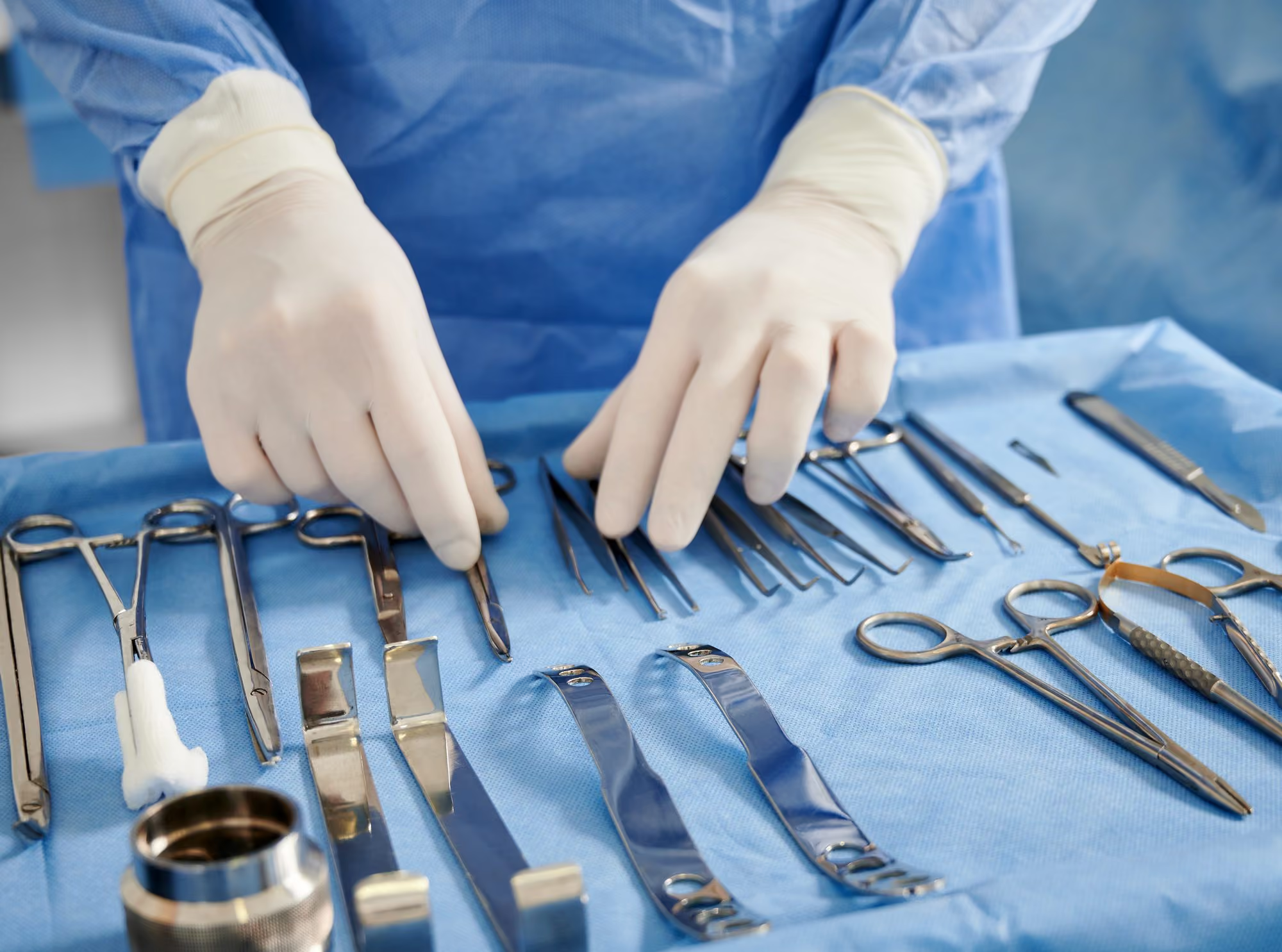
Surgery-last is not surgery-never
Our whole practice is built around exhausting the simpler answers first: footwear, orthotics, bracing, injections, rehab. Most patients never need more. But some problems are structural, and structure eventually wins: the bunion that deforms its neighboring toes despite every pad, the collapsed arch a brace can no longer hold, the joint whose cartilage is simply gone. Continuing to “manage conservatively” past that point isn’t prudence; it’s letting a fixable problem take more of your life. The skill is knowing where that line is, and being honest with you when you’re standing on it.
What reconstructive surgery covers
- Bunion correction: realigning the drifted bone, including minimally invasive techniques for appropriate cases
- Hammertoe correction: straightening rigid, painful toes that pads can no longer manage
- Flatfoot reconstruction: rebuilding support for the collapsed arch and failed posterior tibial tendon
- Tendon repair, including chronic Achilles problems and ruptures
- Arthritis procedures: from joint-preserving spur cleanup for a stiff big toe to fusion for end-stage, bone-on-bone joints
- Post-trauma reconstruction: correcting fractures that healed crooked and joints damaged by old injuries
Modern techniques matter here: where the case allows, minimally invasive approaches through small incisions mean less soft-tissue disruption and gentler early recovery. Where they don’t, we’ll tell you that too. The goal is the durable result, not the smallest scar.
What the process looks like
- The honest consult: diagnosis, every remaining non-surgical option, and what surgery would actually involve; if you’re not a surgical candidate, or not yet, you’ll hear that plainly
- Planning: on-site X-rays and measurements, health optimization (glucose control, circulation, smoking cessation genuinely change surgical outcomes), and scheduling that respects harvest, duty, and work calendars
- The procedure: typically outpatient; you’ll know the plan, the anesthesia approach, and the first two weeks’ script before anything is scheduled
- Recovery, close to home. And this is the underrated part: surgery is one day, but recovery is a series of visits (dressing checks, suture removal, imaging, staged return to weight-bearing). When your surgeon is 15 minutes away instead of two hours, every one of those visits actually happens on time. (Practical note our patients appreciate: you can’t drive yourself to Tucson with your right foot in a cast.)
Straight answers about recovery
Recovery is measured in weeks to months, not days, and anyone who tells you otherwise is selling. Bone work generally needs 6+ weeks of protection before it’s ready for real load, with return to demanding activity over 3-6 months. What we promise: a realistic timeline for your specific procedure before you decide, protected early walking whenever the correction allows it, and no surprises. Second opinions are welcome here. Confidence in the plan is part of the outcome.
Frequently asked questions
How do I know if I need foot surgery?
You’ll rarely hear it from us first. Surgery enters the conversation when pain or deformity limits your life despite months of well-executed conservative care, or when a problem is structurally progressive and waiting makes the fix bigger.
Is minimally invasive foot surgery an option for me?
Case-by-case: it depends on the deformity’s severity, your bone quality, and the correction needed. Where it’s appropriate we use it; where it would compromise the result, we’ll explain why the conventional approach serves you better.
How long is recovery from reconstructive foot surgery?
Ranges honestly: many procedures allow protected walking in a boot within days to weeks, regular shoes around 6-8 weeks, and full activity over 3-6 months. Complex reconstructions run longer. You’ll get your specific timeline before you commit.
Can I get a second opinion before deciding?
Please do, and we’re glad to be the second opinion on a surgery someone else proposed, too. Good surgical decisions survive scrutiny.
Get a straight answer about whether surgery is right for you. Call Safford: (928) 348-3700 or Sierra Vista: (520) 515-FOOT (3668), or request an appointment. Most insurance accepted.
Medically reviewed by James P. Huish, DPM, FACFAS (Fellow, American College of Foot and Ankle Surgeons). Last updated July 2026.